
Day trading is a popular method of buying and selling financial instruments within the same day. Unlike traditional investing, where individuals hold onto assets for extended periods, day traders close all their positions before the market closes. This type of trading is often fast-paced, requiring sharp decision-making, market knowledge, and strategy. But how does day trading work, and What Is Day Trading and How to Start? Let’s break it down step by step.
What is Day Trading?
Day trading involves buying and selling stocks, options, futures, or currencies on the same day. The primary goal is to profit from small price fluctuations in highly liquid markets. Unlike long-term investors, who focus on fundamentals, day traders rely heavily on technical analysis, which looks at price movements, trends, and patterns.
Day traders use several strategies, including scalping, momentum trading, and swing trading, each with unique techniques to capture profits in short-term market movements. These traders aim to capitalize on price volatility, where the price of a security can significantly change within a few minutes or hours.
How Does Day Trading Work?
In its simplest form, day trading involves buying and selling assets like stocks or currencies in a single trading session. Day traders rely on short-term price movements and technical indicators to make informed decisions. Traders might execute multiple trades within minutes, hoping to benefit from slight price changes.
Since day trading focuses on short-term market fluctuations, timing and precision are crucial. Traders use advanced platforms and analysis tools to track prices in real time, watching for trends or news events that might move the market.
Who Can Become a Day Trader?
Day trading appeals to both individual and institutional traders. However, becoming a successful day trader requires specific skills, knowledge, and dedication. Those who venture into day trading must be willing to dedicate time to market research, understanding technical indicators, and managing risk effectively.
To become a day trader, one must:-
- Have a Strong Understanding of Markets: Knowledge of the stock market, currencies, and financial instruments is essential.
- Possess Analytical Skills: Technical analysis plays a vital role in day trading.
- Have a Risk Management Strategy: This minimizes potential losses and protects profits.
- Stay Emotionally Resilient: Day trading can be stressful due to market volatility, and controlling emotions is key to avoiding rash decisions.
Also Learn: How to Become a Successful Trader?
Day Trading vs. Other Types of Trading
Many types of trading strategies exist, but day trading stands out due to its emphasis on short-term market movements. Here’s how it compares to other common trading styles:
Swing Trading
Swing traders hold positions for several days or even weeks, relying on both technical and fundamental analysis. Unlike day traders, swing traders aim to capture more significant price movements over a longer timeframe.
Position Trading
Position traders have a long-term approach, holding stocks or other securities for months or years. They focus more on the overall trajectory of the market, using fundamental analysis to guide their trades.
Scalping
Scalping is a form of day trading that involves executing dozens or hundreds of trades in a day to capture tiny price changes. Scalpers rely on quick decision-making and a high volume of trades to achieve profits.
Momentum Trading
Momentum traders look for stocks that are moving significantly in one direction on high volume. They ride the momentum wave and exit once the trend starts to reverse.
Key Components of Day Trading
Day trading requires specific tools and knowledge. Here are the most critical components to consider:
A Reliable Trading Platform:- Choosing the right trading platform is essential for day traders. It should provide real-time data, have low latency, and offer fast execution speeds. Many day traders opt for direct-access brokers, allowing them to trade directly with exchanges.
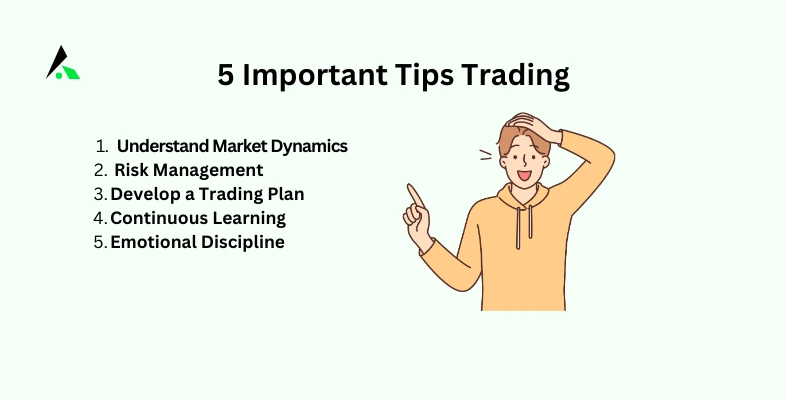
Risk Management:-Risk management is crucial in day trading. Traders should always use stop-loss orders to limit potential losses. Successful day traders typically risk only a small percentage of their account on a single trade. One of the most common risk management rules is the 1% rule, meaning a trader risks no more than 1% of their capital on any given trade.
Market Knowledge:-Understanding how the market works, including the best times to trade and the instruments that offer the most liquidity, is crucial for success. Traders must stay updated on market trends and news that could affect price movements.
Technical Analysis:-Day traders heavily rely on technical analysis, studying charts, price patterns, and indicators. Common technical indicators include Moving Averages, Bollinger Bands, and Relative Strength Index (RSI). These tools help traders identify potential entry and exit points in the market.
Emotional Discipline:-Day trading can be stressful, and emotions like fear and greed can lead to poor decision-making. Successful traders are disciplined and stick to their strategies, even when faced with losses. They remain calm under pressure and avoid chasing after trades or overtrading.
Psychology of Day Trading
Successful day trading isn’t just about knowing the market; it’s also about controlling your emotions. Emotional discipline is crucial because the fast pace of day trading can lead to impulsive decisions.
- Dealing with Losses: Losses are inevitable, but it’s important to stick to your strategy and not overreact.
- Celebrating Wins: Winning streaks can cloud your judgment. Always stay focused and avoid becoming overconfident.
Learn Details: What is Trading Psychology And How to Apply In Trading?
How to Start Day Trading?
Starting day trading requires a combination of education, preparation, and practice. Here’s a step-by-step guide to becoming a day trader:
Step 1: Educate Yourself
Before diving into day trading, one must learn the basics of the stock market, trading strategies, and technical analysis. Numerous online courses, books, and forums offer valuable insights into day trading for beginners.
Step 2: Choose a Trading Platform
A reliable trading platform is essential for day trading. Look for platforms that offer fast execution, real-time data, and advanced charting tools. Some popular platforms among day traders include Zerodha ,Angle One, and Upstox.
Step 4: Start with a Demo Account
Before risking real money, it’s wise to start with a demo account to practice day trading strategies. Most brokers offer demo accounts where traders can simulate trades without risking actual funds. This helps to hone skills and understand the market without financial loss.
Starting with Paper Trading
Before diving into live day trading, it’s wise to practice with paper trading. Paper trading allows you to simulate trades without risking real money. It’s an excellent way to test strategies and understand market mechanics.
Step 5: Develop a Trading Strategy
No two day traders are the same. Every trader must develop a strategy that works for them based on their risk tolerance, goals, and the assets they are trading. Strategies may include trend following, counter-trend trading, or breakout trading. Testing different strategies in a demo environment is crucial before going live with real money.
Step 6: Start Trading
Once you’re confident with your strategy, start small with live trading. Gradually increase your trading size as you gain experience. Remember to stick to your risk management rules and avoid emotional decisions.
Risks and Rewards of Day Trading
Rewards: Day trading can be highly profitable for those who master the craft. The potential for quick profits, the excitement of fast-paced trades, and the independence it offers attract many people to day trading.
Risks: Day trading also carries significant risks. Because it involves frequent buying and selling, traders can incur substantial losses, especially if they don’t manage risk effectively. The high leverage often used in day trading can amplify both profits and losses.
Moreover, day traders must deal with transaction costs, such as commissions, which can quickly add up, especially for high-frequency traders. Emotional stress and burnout are also common, as the fast-paced nature of day trading can lead to anxiety and fatigue.
How to Choose Stocks for Day Trading?
Not all stocks are suitable for day trading. You’ll want to focus on stocks with high liquidity and volatility. Liquidity ensures that you can enter and exit trades quickly, while volatility provides the price movements necessary for profitable trades.
How Much Capital Do You Need to Start?
The amount of capital you need depends on your goals and the market you’re trading. In the U.S., for example, you need a minimum of $25,000 to day trade stocks due to the Pattern Day Trader (PDT) rule. However, forex and cryptocurrency trading often require less capital to get started.
Legal and Regulatory Considerations
It’s essential to understand the legal requirements for day trading. In the U.S., day traders must adhere to the PDT rule, which requires maintaining a minimum account balance of $25,000 if you execute more than four day trades in five business days. Additionally, day traders are subject to taxes on their profits.
Common Mistakes to Avoid
Day trading is challenging, and even experienced traders make mistakes. Some common pitfalls include:
- Overtrading: Trying to trade too often can lead to poor decision-making.
- Ignoring a Strategy: Sticking to a strategy is crucial for long-term success.
- Risking Too Much: Never invest more than you can afford to lose in a single trade.
Key Differences Between Day Trading and Investing
Day trading and long-term investing are two different approaches to the financial markets. While long-term investors focus on buying and holding assets for months or years, day traders aim for rapid profits over a single day. Here’s a quick comparison:
- Time Frame: Day traders close positions within the same day, whereas investors hold them for the long term.
- Risk Tolerance: Day trading involves higher risk due to rapid market movements.
- Strategy: Investors focus on fundamentals like earnings and company growth, while day traders rely on technical analysis and market trends.
Final Thought
Day trading offers exciting opportunities for short-term profits but comes with significant risks. It’s important to learn the basics, practice with paper trading, and use effective strategies to succeed. With the right mindset and tools, you can make day trading a part of your financial portfolio.
FAQs
Can I start day trading with $100?
Yes, in some markets like forex or crypto, you can start with as little as $100. However, for stocks, you’ll need a minimum of $25,000 to avoid restrictions.
Is day trading suitable for beginners?
Day trading is challenging for beginners. It’s recommended to start with paper trading to practice without risking real money.
How to trade without money?
To trade without money, you can use a demo account, which allows you to practice Paper trading with virtual funds. It’s an excellent way to learn strategies and understand markets without risking actual capital.
What is the success rate of day traders?
Success rates vary, but studies suggest that only a small percentage of day traders consistently make profits.
Do I need any certifications to day trade?
No formal certifications are needed to day trade, but knowledge of the market and technical analysis is essential.
Is day trading profitable?
Day trading can be profitable, but it requires skill, discipline, and effective risk management. While some traders succeed, many face losses due to market volatility and high transaction costs. Success depends on experience and strategy.
What is the 3-5-7 rule in trading?
The 3-5-7 rule in trading refers to risk management: risk no more than 3% on a single trade, aim for at least 5% profit, and ensure a maximum drawdown of 7% to protect capital.

